LCF-AGS continuous-flow aerobic granular sludge technology
· The volumetric load is 2-3 times higher than that of conventional activated sludge, with strong impact resistance and excellent sludge settling performance;
· Small footprint, reducing land use by 50% compared to conventional activated sludge;
· Functions such as simultaneous nitrification and denitrification, and biological phosphorus removal;
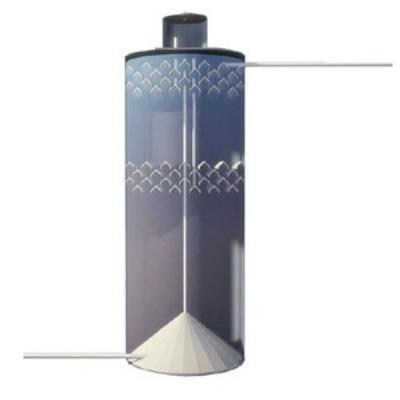
· Simultaneous nitrogen and phosphorus removal, with a micro DO gradient in granular sludge—aerobic outer layer, anoxic middle layer, and anaerobic core—enabling carbon degradation and enhanced treatment capacity within the same granule, allowing for expansion of the biochemical tank as needed;
· Short startup and commissioning period, with system granulation achieving results in about one month;
· Suitable for both new construction and retrofitting of existing plants, allowing for upgrades without shutdown—only requiring the addition of a separator module, with low renovation costs.
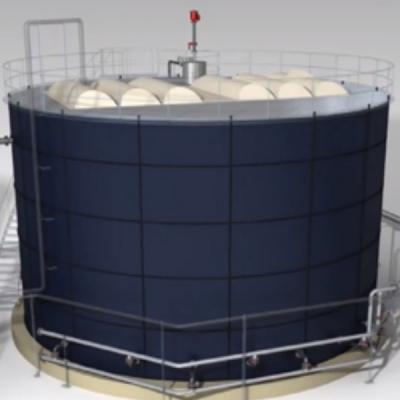
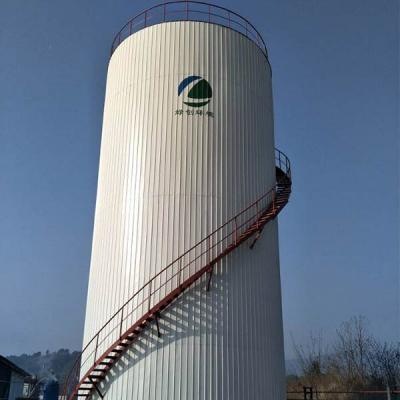
LCF-AGS continuous flow aerobic granular sludge is a technology that transforms traditional SBR sequencing batch AGS by combining anaerobic three-phase separation technology, controlling hydraulic shear, and utilizing the feast-famine principle. Through continuous influent and internal circulation, it rapidly completes granule screening and achieves aerobic granulation. This technology is adaptable to various application scenarios, helping enterprises achieve efficient and low-cost wastewater treatment.

Scope of Application
1. Upgrading and retrofitting municipal wastewater treatment plants to improve pollutant removal efficiency and meet higher discharge standards;
2. Treatment of aquaculture wastewater, efficiently removing pollutants such as COD, ammonia nitrogen, and total phosphorus, reducing agricultural non-point source pollution;
3. Treatment of landfill leachate, adapted to high-concentration, high-toxicity wastewater scenarios, improving treatment effectiveness and stability;
4. Pretreatment for water reuse, deeply removing pollutants from sewage to ensure the stable operation of subsequent reuse treatment processes.