Recently, the Ministry of Ecology and Environment officially issued HJ 945.4-2026, the Technical Guideline for the Formulation of Water Pollutant Discharge Standards for Centralized Wastewater Treatment Facilities in Industrial Parks, which will be fully implemented on September 1, setting a new rigid control benchmark for centralized wastewater treatment in single-industry and comprehensive industrial parks nationwide.
The core reforms of the new regulations directly address the current pain points in park wastewater management: salinity, comprehensive toxicity, PFOA, and other emerging pollutants are brought under mandatory control; differentiated management is applied to single-industry and comprehensive parks; full-process coverage of conventional, toxic and hazardous, and persistent pollutants is required; dilution discharge is prohibited; and requirements are strengthened for whole-chain wastewater monitoring, rainwater collection and disposal, and integration with reclaimed water resource utilization. For parks with clustered industries such as chemicals, printing and dyeing, electroplating, pharmaceuticals, and coal chemicals, existing traditional simple biochemical processes can no longer meet the compliance thresholds of the new standards.
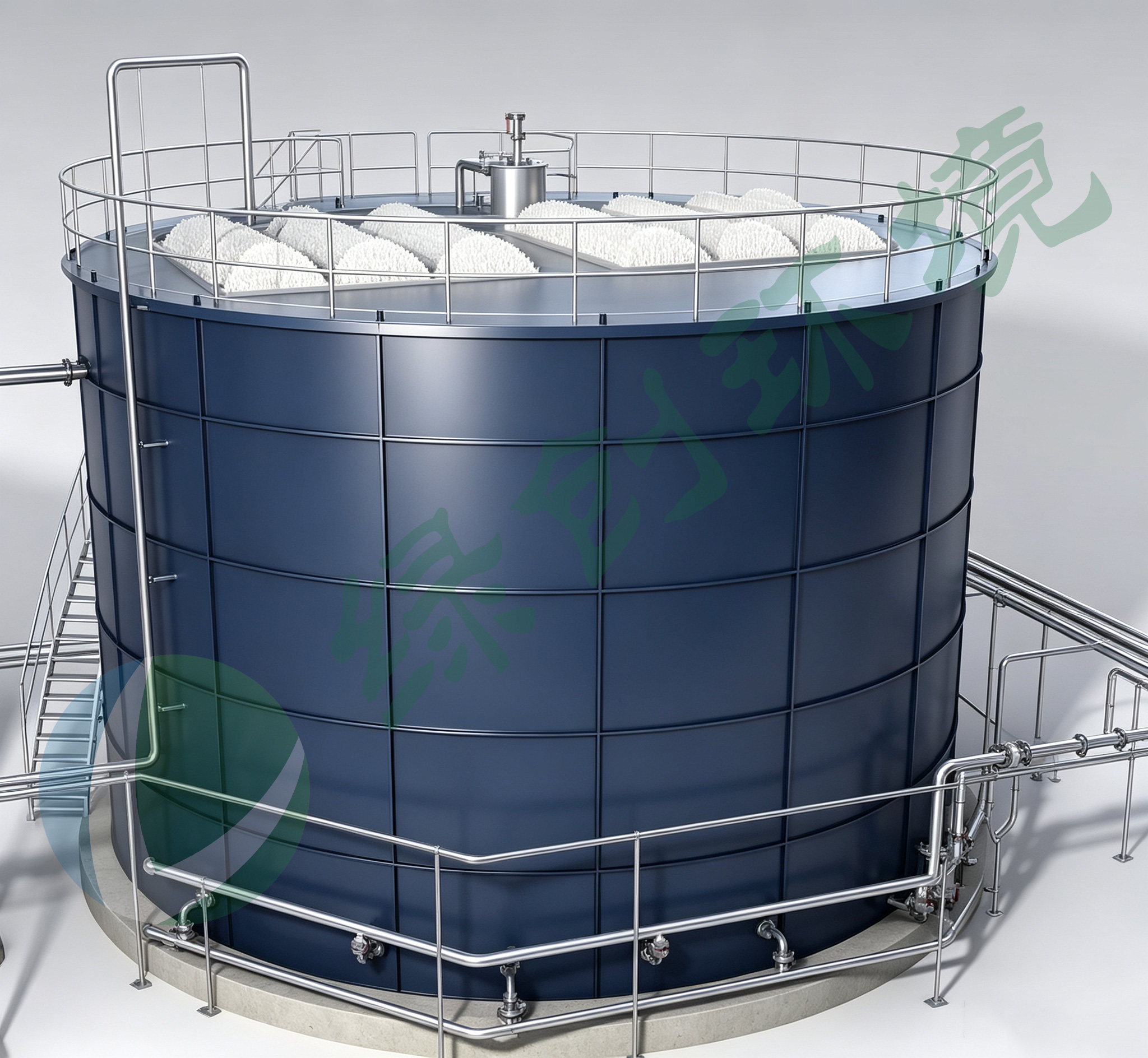
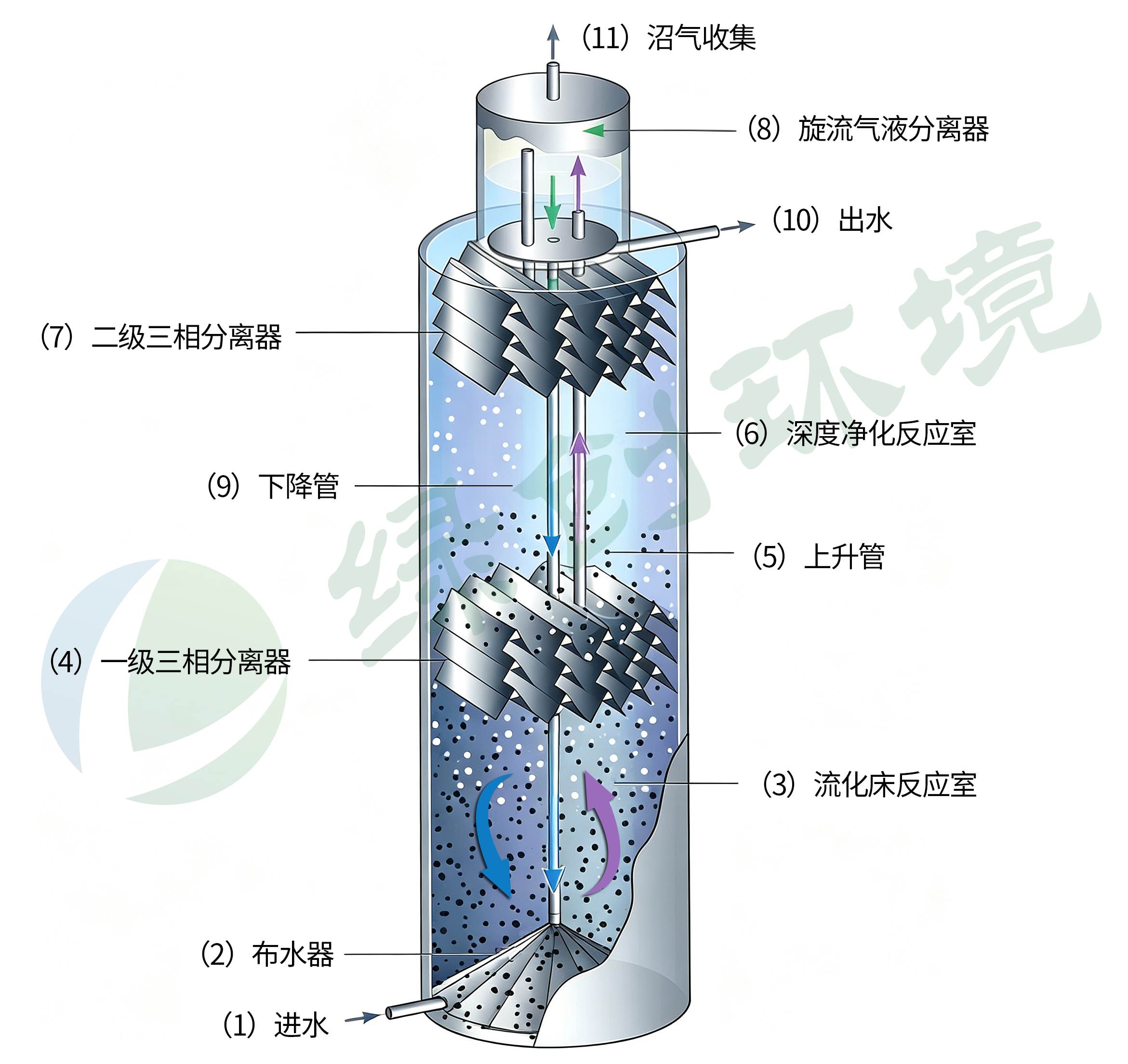
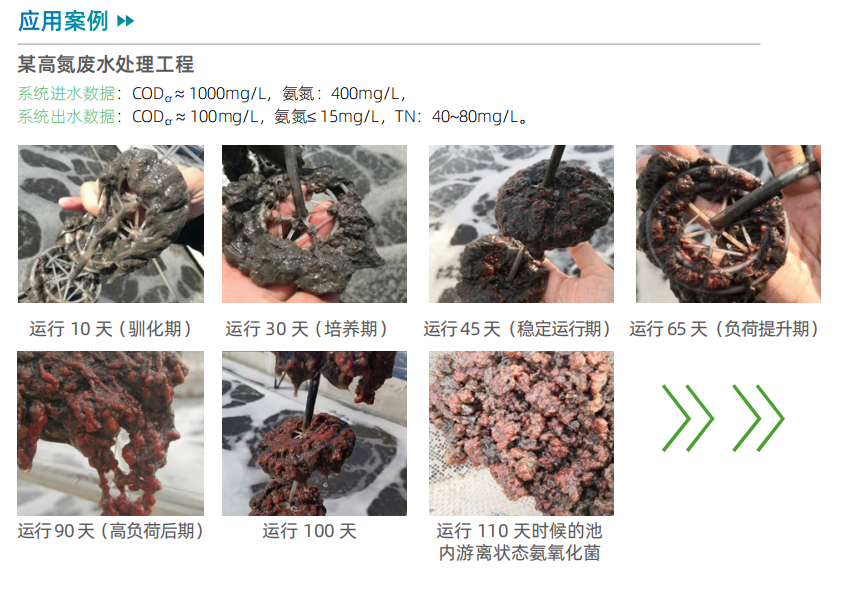
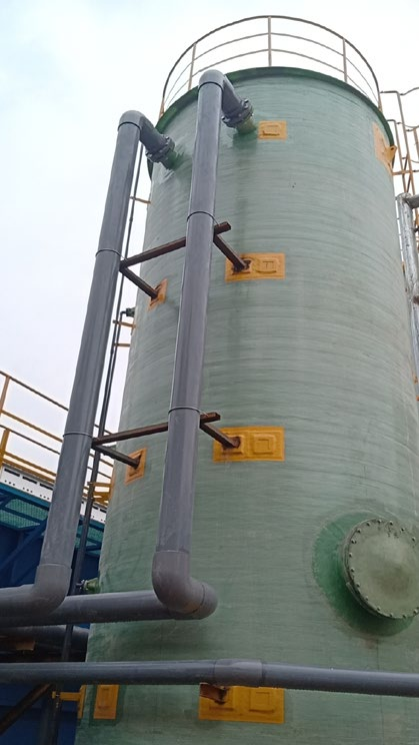
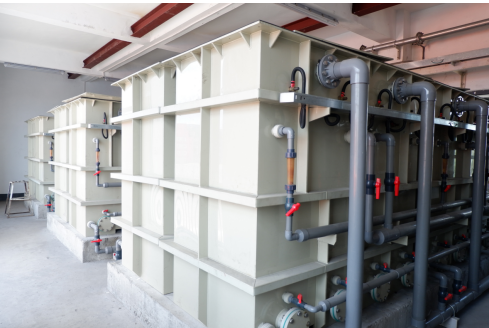
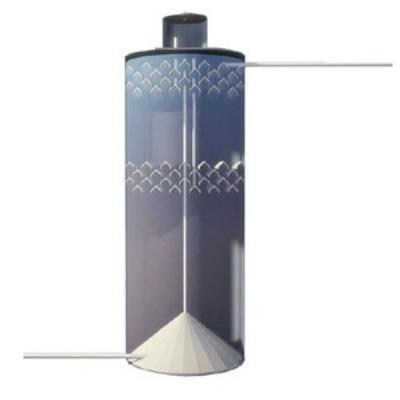
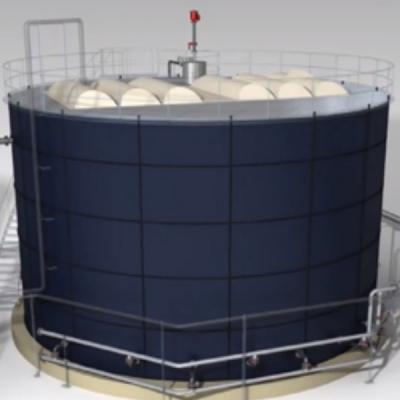
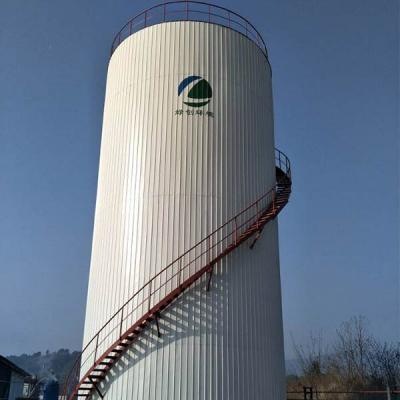
In response to the six major treatment challenges faced by industrial parks under the new policy—high COD, high salinity, high toxicity, emerging pollutants, recalcitrant total nitrogen, and odor nuisance from exhaust gas—our company has built a fully closed-loop process equipment system covering anaerobic pretreatment → high-efficiency denitrification → advanced oxidation of recalcitrant pollutants → anaerobic membrane deep purification → biological deodorization of waste gas: LIC anaerobic reactors, UASB anaerobic reactors, LIC-MAX anaerobic reactors, LC-AnDen denitrification, Fenton catalytic oxidation, electrocatalytic oxidation, waste (odor) gas treatment, and more, providing full-line coverage. It is suitable for centralized wastewater treatment stations in various single or integrated industrial parks such as food, chemical, electroplating, printing and dyeing, pharmaceutical, and new materials industries, offering one-stop compliance with all-dimensional control indicators of HJ 945.4-2026.