Treatment of industrial wastewater under complex operating conditions, achieving the dual goals of compliance and resource recovery reuse

In the field of industrial environmental protection and treatment, a consensus has long been established within the industry: there is no universal, one-size-fits-all water treatment process—only customized solutions precisely adapted to specific operating conditions. Industrial wastewater produced by different industries, different production methods, and different raw material routes varies greatly in water quality parameters, characteristic pollutant composition, and treatment bottlenecks. If standardized general-purpose processes are blindly applied, it is highly likely to lead to long-term lingering problems such as effluent failing to consistently meet standards, operating costs per ton of water far exceeding expectations, and poor system resistance to shock loads.
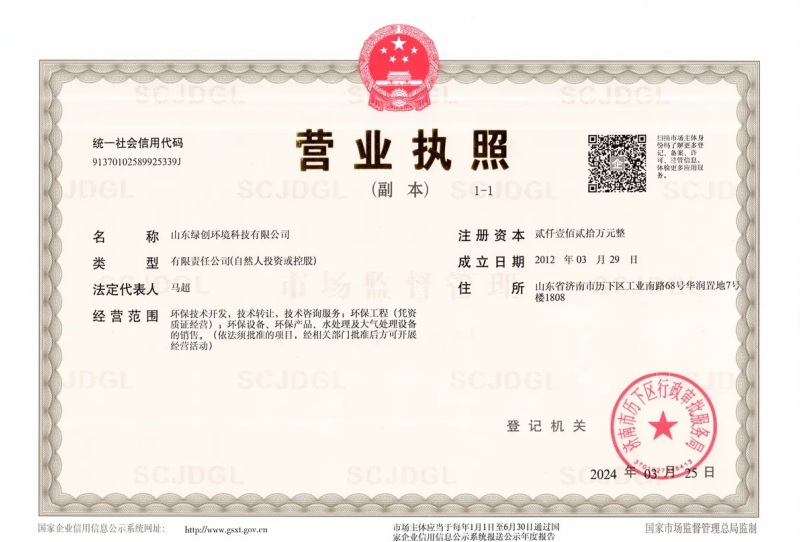
In accordance with the new control requirements of HJ945.4—2026, “Technical Guidelines for the Formulation of Water Pollutant Discharge Standards for Centralized Wastewater Treatment Facilities in Industrial Parks,” which emphasize “classified management and control, one park one policy, and full coverage of characteristic pollutants,” and in response to the complex operating conditions of high-difficulty industrial wastewater in fields such as chemicals, printing and dyeing, electroplating, and pharmaceuticals, Shandong Luchuang Environmental Technology Co., Ltd., relying on more than ten years of industrial wastewater engineering experience and self-developed high-efficiency anaerobic and denitrification core technologies, can provide enterprises with mature solutions covering the entire chain of precise water quality diagnosis, customized process design, engineering implementation and construction, and long-term operation and maintenance, comprehensively supporting enterprises in achieving stable quality improvement and compliance under the new regulations, reducing operating energy consumption, and meeting water resource recycling and reuse goals.

One
Decomposition of the core common pain points of dual-objective governance under complex working conditions
Based on the company's practical experience with hundreds of industrial wastewater projects, to simultaneously achieve stable compliance and resource recovery under complex working conditions, it is generally necessary to break through four common industry bottlenecks:

1. System shocks caused by inadequate segregated collection
A large number of industrial parks built in the early period have the problem of mixed pipe network connections. High-concentration process wastewater, low-concentration clean wastewater, and domestic sewage are not fully collected separately. Highly toxic and high-salinity wastewater is directly mixed into the comprehensive pipe network, which not only inhibits the microbial activity of the biochemical system, causing effluent COD and total nitrogen to remain unable to stably meet standards for a long time, but also greatly increases the fouling rate of the subsequent reuse membrane system, shortening the membrane module cleaning cycle from 3 months to less than 1 month and sharply increasing consumable replacement costs.
2. It is difficult to achieve synergistic removal of characteristic pollutants.
Wastewater from the chemical and pharmaceutical industries often contains refractory COD, total nitrogen, and emerging characteristic pollutants at the same time. Conventional biochemical processes can only remove readily biodegradable components. The residual refractory substances not only cause effluent to exceed standards, but also form irreversible organic fouling on the surface of reuse membranes, greatly shortening the service life of membrane modules. Under some operating conditions, the actual service life of the membrane system is even less than half of the design life.
3. Conflict between water quality fluctuations and the stability of the dual-system
Enterprises in the park generally exhibit phased production discharge characteristics, which easily cause the influent water quality to fluctuate several times within a short period. Traditional rigid process routes do not reserve sufficient impact-resistant buffer space, making it easy for the activated sludge activity of the biochemical system to be impacted and for effluent to temporarily exceed standards, while also causing sudden changes in the influent water quality of the reuse system, triggering membrane module scaling and rapid flux decline. The stability of the dual systems cannot be guaranteed in a coordinated manner.
4. The challenge of balancing costs between compliance and reuse
If front-end advanced oxidation is excessively increased to ensure reuse effectiveness, it will drive up the operating cost per ton of water, completely offsetting the economic benefits of reuse; if the pretreatment unit is simplified, it will instead cause the operation and maintenance costs of the subsequent reuse system to rise sharply, making the long-term comprehensive investment even higher. Many industrial parks suffer from an imbalanced matching of dual-objective process routes.
II
“Compliance + Reuse” full-chain customized solution
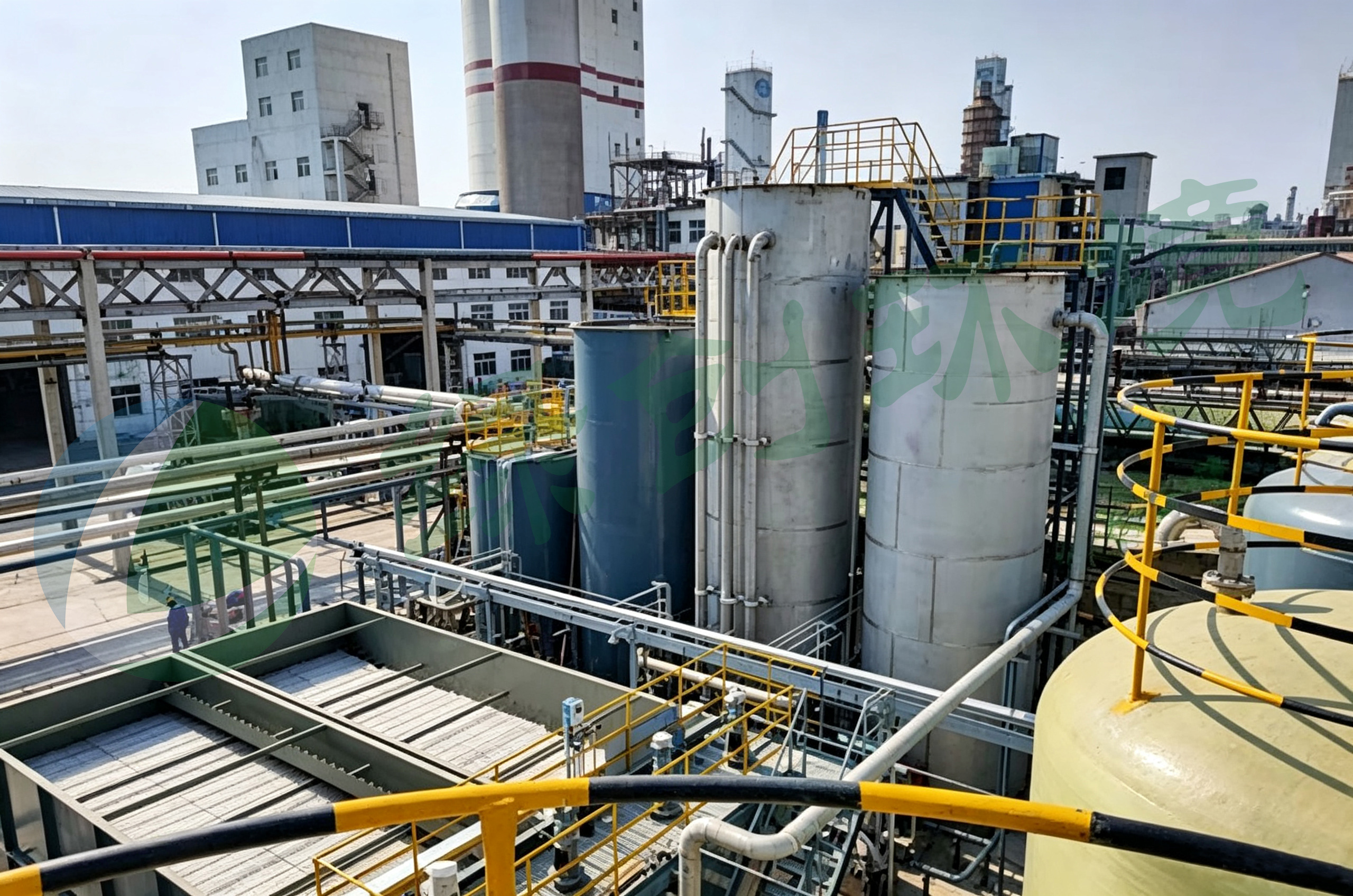
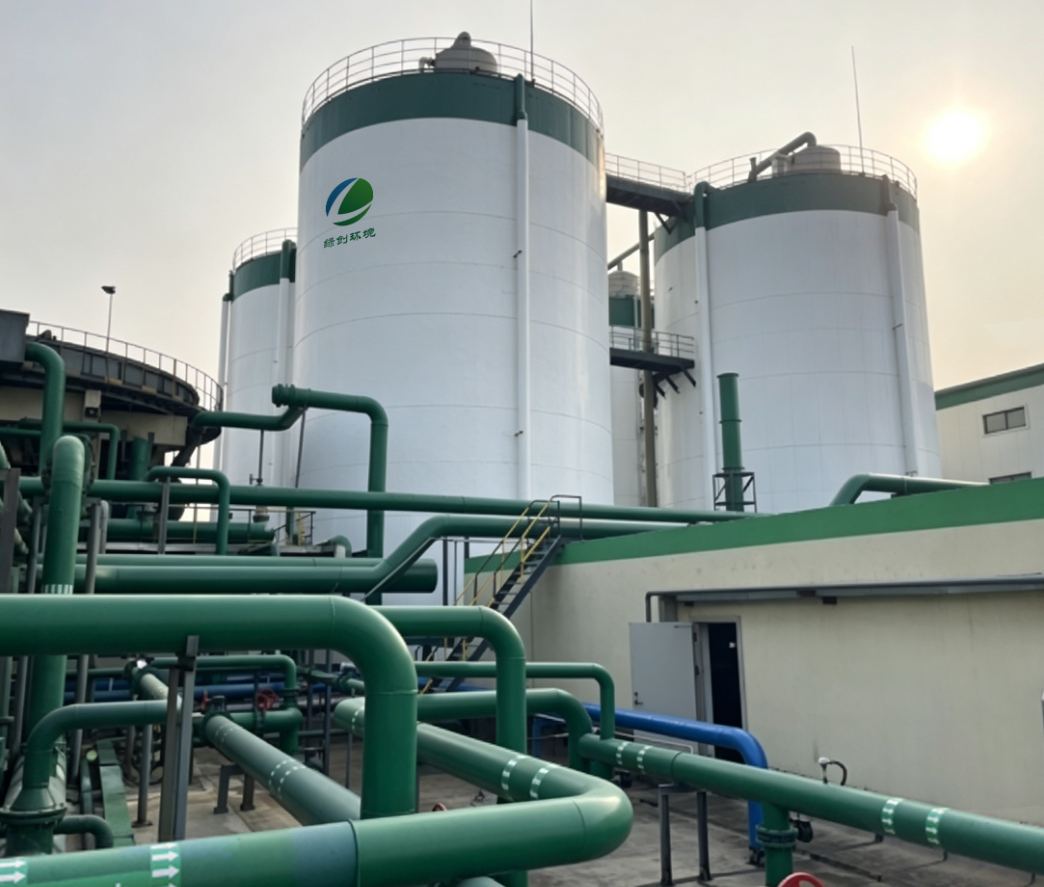
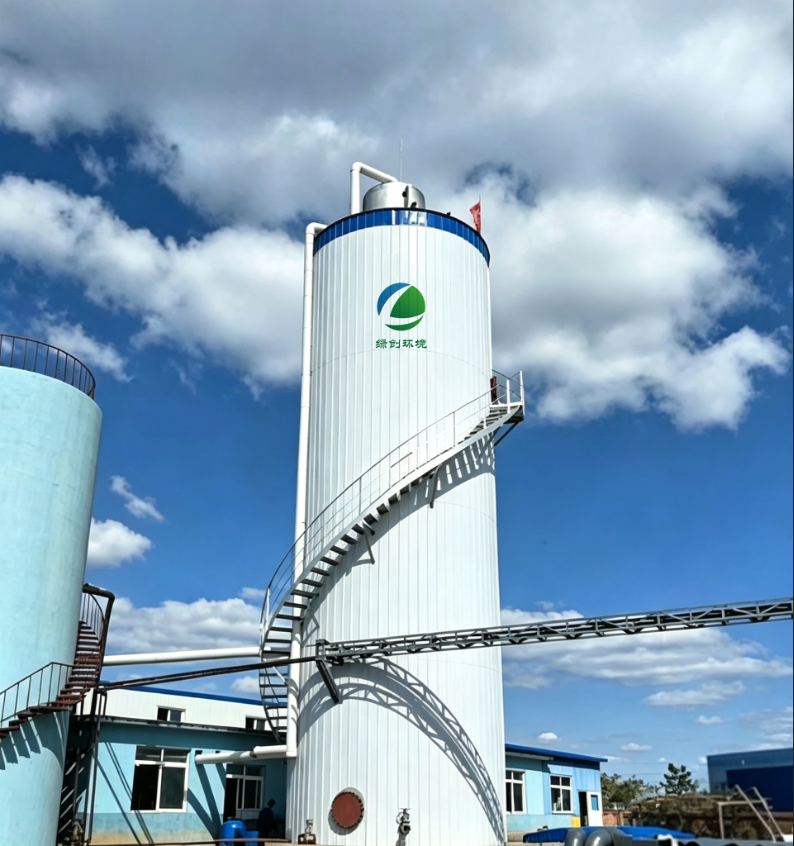
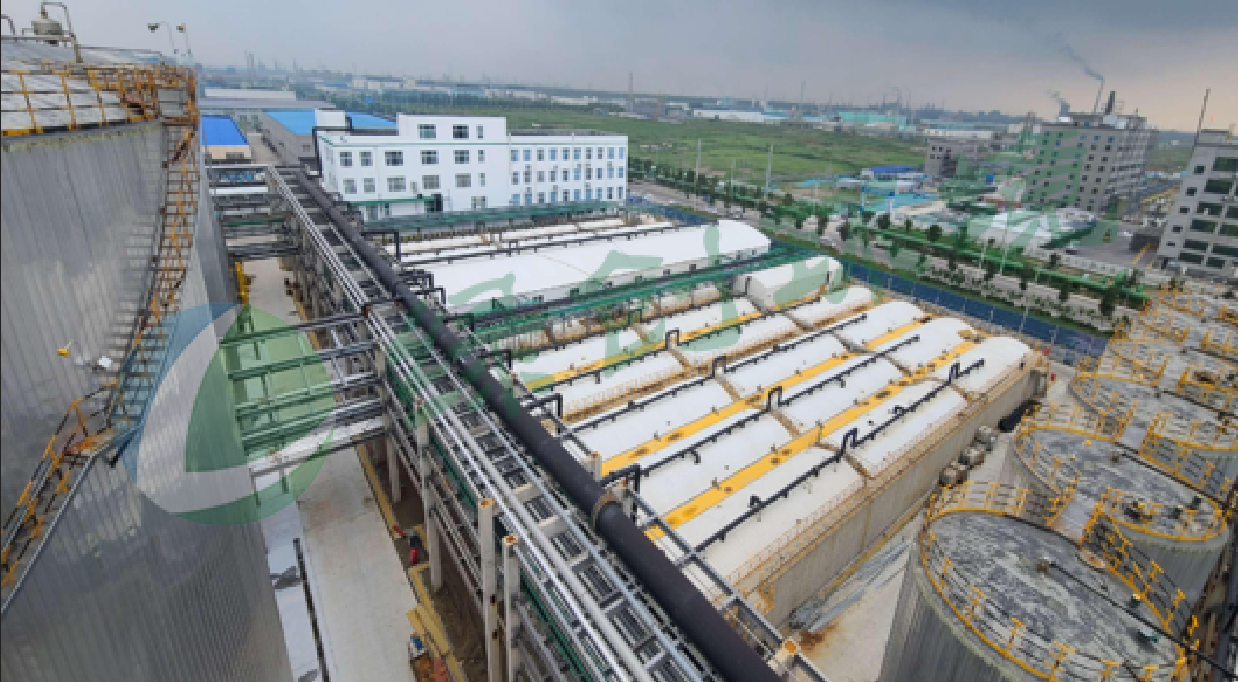
In response to the above pain points under complex operating conditions, Luchuang Environment, relying on its self-developed core technologies of high-efficiency anaerobic treatment and advanced denitrification, has built a four-stage full-chain process system of “source-based quality-separated pretreatment—biochemical enhancement for compliance—advanced oxidation for detoxification—gradient resource recovery and reuse,” fully adapting to the control requirements of the new HJ 945.4—2026 regulation:
Full-cycle implementation and intelligent operation and maintenance guarantee system
To ensure the long-term stable operation of the dual-objective system, Lvchuang Environment has built a closed-loop assurance system covering the entire project lifecycle: in the early stage, multiple rounds of water quality sampling and full-condition analysis are completed across the entire enterprise; during the construction phase, a high-precision equipment module plus traditional civil engineering model is adopted to shorten the implementation cycle; after delivery, a self-developed intelligent operation and maintenance platform is provided, using online sensors to monitor the full-process water quality in real time, automatically regulating chemical dosing and aeration intensity, and achieving preemptive fault warnings. At present, wastewater upgrading and reuse improvements have been completed for more than 300 chemical, printing and dyeing, and electroplating enterprises, with multiple projects meeting standards stably for three consecutive years, achieving dual coordination between environmental compliance and economic benefits, and forming a replicable implementation path for green, high-quality development under the new regulations for industrial parks.