The current research status and future development trends of electrocatalytic oxidation technology?
Electrocatalytic oxidation technology is a technology that uses electrochemical principles to oxidize organic matter in harmful organic wastewater into non-toxic and harmless substances. With the increasing awareness of environmental protection and the requirements of laws and regulations, electrocatalytic oxidation technology has gradually become one of the main means of organic wastewater treatment. At present, electrocatalytic oxidation technology has made certain progress in the laboratory stage, but there are still some challenges and limitations in industrial applications.
In terms of research status, current research on electrocatalytic oxidation technology mainly focuses on the design and synthesis of materials, the preparation and performance optimization of electrocatalysts, and the analysis of reaction mechanisms. By regulating the physical and chemical properties of electrocatalysts, the reaction rate and selectivity can be effectively improved, and energy consumption and costs can be reduced. In addition, the development of some new electrocatalysts also provides new possibilities for the further development of electrocatalytic oxidation technology.
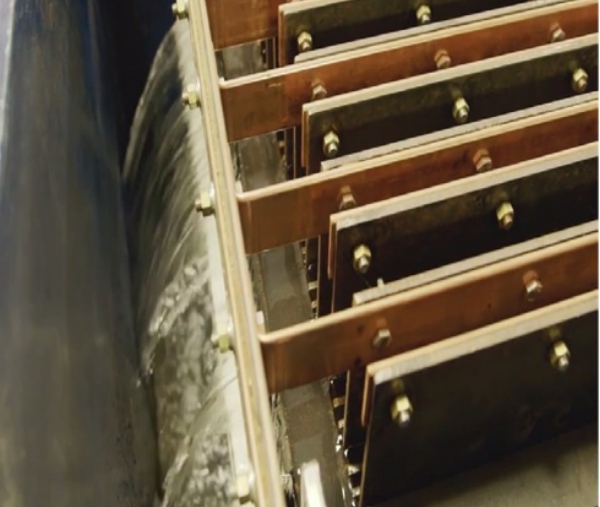
In terms of future development trends, electrocatalytic oxidation technology will mainly focus on the following aspects: First, strengthen research on electrocatalysts, develop more efficient and stable electrocatalysts, and improve reaction rate and selectivity. Secondly, explore new reaction mechanisms and reaction pathways to further improve the efficiency of wastewater treatment and reduce costs. In addition, combined with other processes, such as photocatalysis, ultrasound, etc., a multi-functional composite technology can be constructed to achieve more in-depth treatment and resource utilization of wastewater.
In general, electrocatalytic oxidation technology has broad application prospects in the field of organic wastewater treatment. The focus of future development will be to improve the stability and reliability of the technology, reduce energy consumption and costs, and achieve industrial-scale applications. At the same time, it is also necessary to strengthen basic research on electrocatalytic oxidation technology, explore new materials and mechanisms, and make greater contributions to the realization of an environmentally friendly society.